































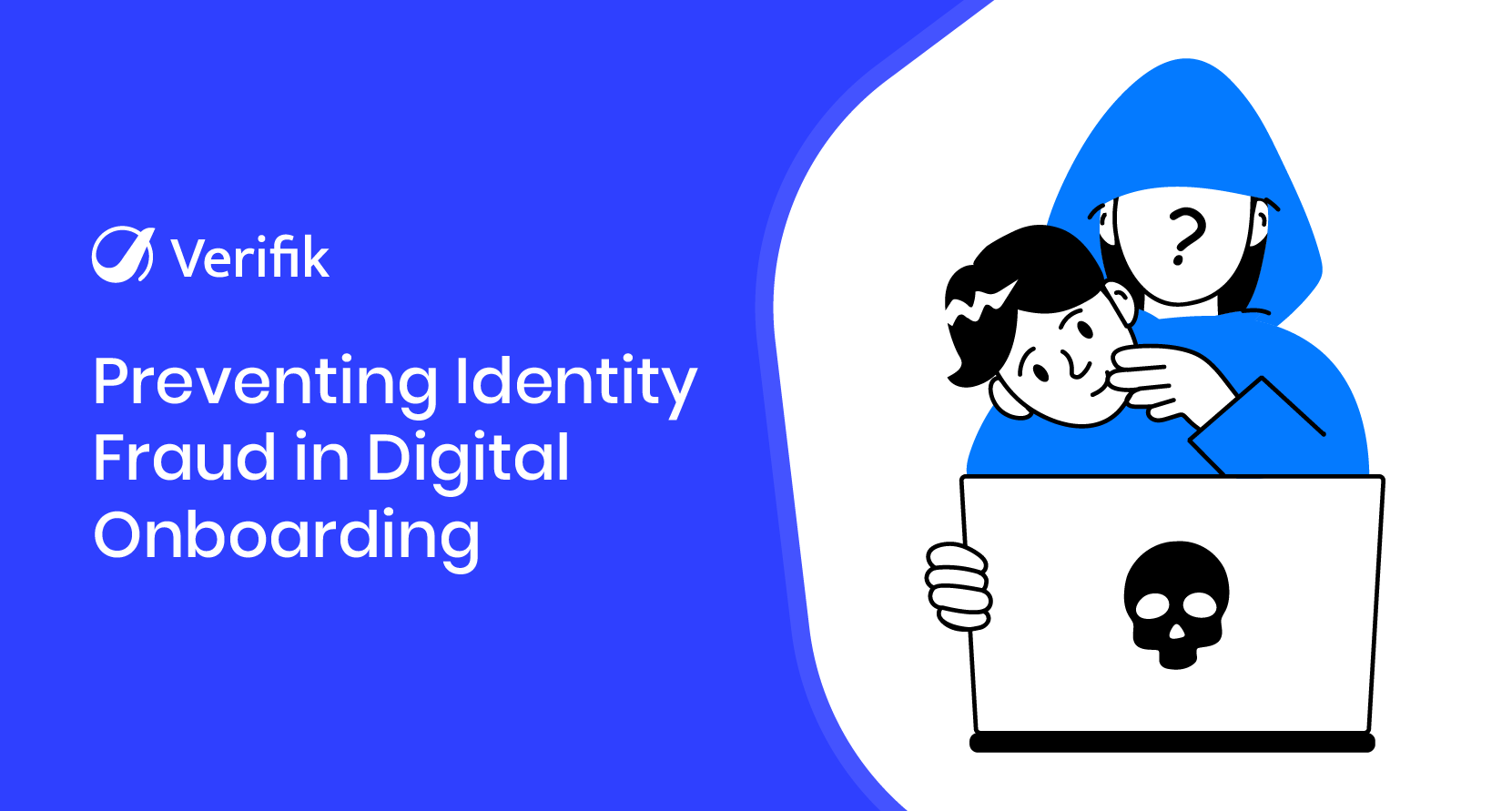
Digital onboarding has revolutionized the way businesses connect with their customers. From opening bank accounts to registering for online services, users now expect registration processes to be fast, seamless, and convenient. But as onboarding goes digital, the risk of identity fraud grows. Fraudsters are constantly finding new ways to exploit weak verification processes, from submitting fake documents to using stolen or synthetic identities.
For businesses, the consequences are significant. Identity fraud can lead to financial losses, regulatory penalties, and long-term damage to reputation. At the same time, overly complex verification processes can frustrate users and increase drop-off rates. The key is finding a balance between security and user experience.
In this guide, we’ll explore the methods fraudsters use, the technologies that help prevent them, and the best practices businesses can adopt to safeguard their onboarding processes. By understanding these strategies, companies can protect themselves and their users while keeping the registration journey smooth and efficient.
What is Identity Fraud in Digital Onboarding?
Identity fraud in digital onboarding is when someone misrepresents themselves—using fake documents, stolen credentials, or synthetic identities—to gain unauthorized access to a service or system.
The impact of identity fraud goes beyond financial loss. It can lead to regulatory penalties, damage to a company’s reputation, and erosion of customer trust. In addition, it often creates operational inefficiencies, as teams spend extra time detecting and resolving fraudulent accounts.
Common Methods Used by Fraudsters During Digital Onboarding
Fraudsters employ a range of tactics to bypass traditional verification processes during digital onboarding. Some of the most frequent methods include:
- Fake or Altered Documents: Forged IDs, passports, or utility bills that are designed to appear genuine.
- Synthetic Identities: A combination of real and fabricated personal information to create entirely new identities.
- Account Takeovers: Using stolen credentials to impersonate legitimate users and access sensitive data.
- Deepfakes and Biometric Spoofing: Manipulated photos or videos that trick facial recognition systems.
Understanding these methods helps businesses design an onboarding process that is difficult to manipulate.
Key Technologies to Prevent Identity Fraud
Modern digital onboarding relies on multiple identity verification technologies to ensure that user identities are verified quickly, accurately, and securely. Combining these tools helps businesses reduce identity fraud while keeping the user registration process seamless.
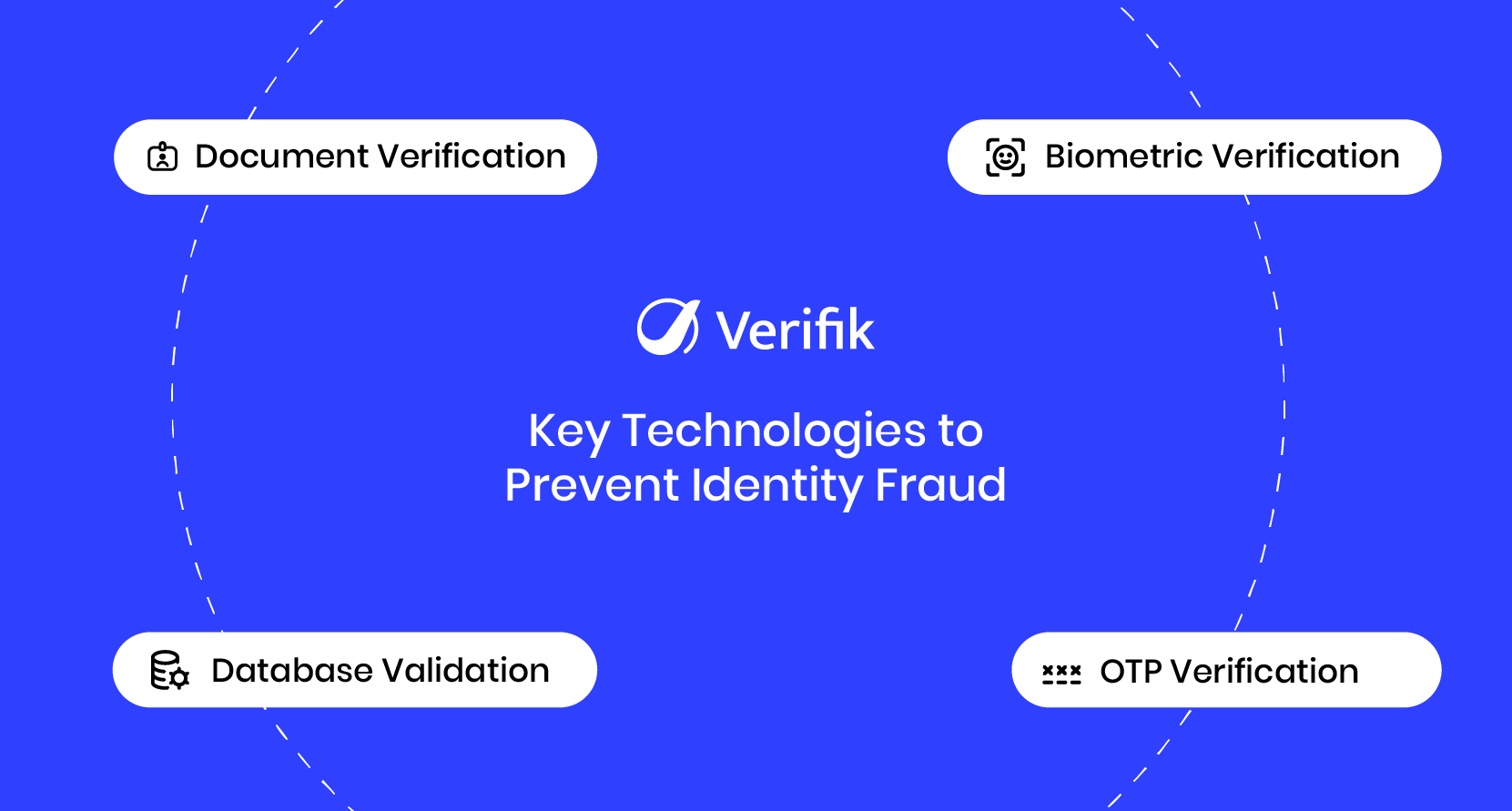
Document Verification
Document verification begins with Optical Character Recognition (OCR), which extracts critical data from IDs, passports, driver’s licenses, and other official documents. Modern platforms don’t just read text—they also analyze documents for authenticity by checking for security features like fonts, watermarks, holograms, and official formatting. This automated approach drastically reduces the need for manual review and ensures that fake or tampered documents are flagged immediately.
Biometric Verification
Biometric verification adds a strong layer of security by relying on unique physical characteristics, most commonly facial recognition. During onboarding, users provide a selfie or short video, which is compared to the photo on their official document. Liveness detection ensures that the individual is physically present, making it difficult to trick the system using static images, videos, or sophisticated deepfake technology.
Database Validation
Database validation cross-checks user-provided information with trusted sources, including government records, financial databases, or sector-specific registries. This step is critical for confirming the accuracy of submitted information, detecting fake or stolen identities, and ensuring compliance with regulations like KYC and AML.
Two-Factor or OTP Verification
Two-factor authentication (2FA) or OTP verification confirms that a user has access to the contact information they provide. By sending a one-time password via SMS, email, or an authenticator app, businesses ensure that the phone number or email belongs to the user. While not sufficient alone to prove identity, OTP adds an extra layer of protection and reduces the risk of fake account creation or automated bot attacks.
Platforms like smartENROLL combine all these methods in a single, customizable workflow, making it easier for businesses to automate identity verification while keeping the digital onboarding process smooth.
Best Practices for Fraud-Free Digital Onboarding
Creating a secure onboarding process is important, but it also needs to be simple and user-friendly. The goal is to protect your business from fraud while giving users a smooth experience. Here are some best practices to follow:
-
Streamline the User Experience
If your onboarding process is long or complicated, users are likely to abandon it. To avoid this, break forms into smaller steps, provide clear instructions, and give instant feedback if something is entered incorrectly. Using tools like auto-fill or pre-populated fields can make the process even faster. When onboarding feels easy and intuitive, users are more likely to complete it, and your business benefits from higher conversion rates and happier customers.
-
Automate Verification Wherever Possible
Manual checks take time and can be prone to mistakes. Automating verification steps makes onboarding faster, more accurate, and easier to manage. For example, document scanning with OCR, facial recognition, and real-time database validation can all be automated. Automation allows your team to focus on cases that really need attention, while the system handles routine checks consistently and efficiently.
-
Continuously Monitor and Adapt
Fraudsters are always finding new ways to bypass verification. That means your onboarding process should never stay static. Regularly reviewing workflows, updating fraud detection rules, and tracking patterns from past onboarding attempts helps you stay ahead of threats. By monitoring and adapting your processes, you ensure that your verification system remains effective even as fraud methods evolve.
-
Educate and Empower Users
Users play a key role in preventing fraud. Educating them about secure account creation and safe online practices makes the onboarding process stronger. Simple guidance on creating strong passwords, spotting phishing attempts, and using multi-factor authentication helps users protect their accounts. When users understand why certain steps are needed, they are more likely to cooperate and follow security guidelines.
-
Use Comprehensive Tools
Instead of piecing together multiple solutions, choose platforms that offer an integrated verification workflow. For example, smartENROLL combines document verification, biometrics, liveness detection, and database validation in one customizable platform, making it easier to prevent fraud while keeping onboarding smooth for customers.

Conclusion
Identity fraud during user onboarding is a serious threat, but it can be mitigated with the right processes and technology. Businesses should adopt a layered verification approach, leverage modern tools, and ensure compliance with regulations. A robust onboarding process not only protects your company but also builds trust with your users from day one.
If you want a comprehensive solution that combines document verification, biometrics, database validation, and OTP security, explore how smartENROLL can secure and streamline your onboarding process. Contact Verifik today to book a free demo!